Oregon Trail Multiplayer
Four-player wagon roles, voice calls, shared loot, revive habits, and how to keep the party together all the way west.
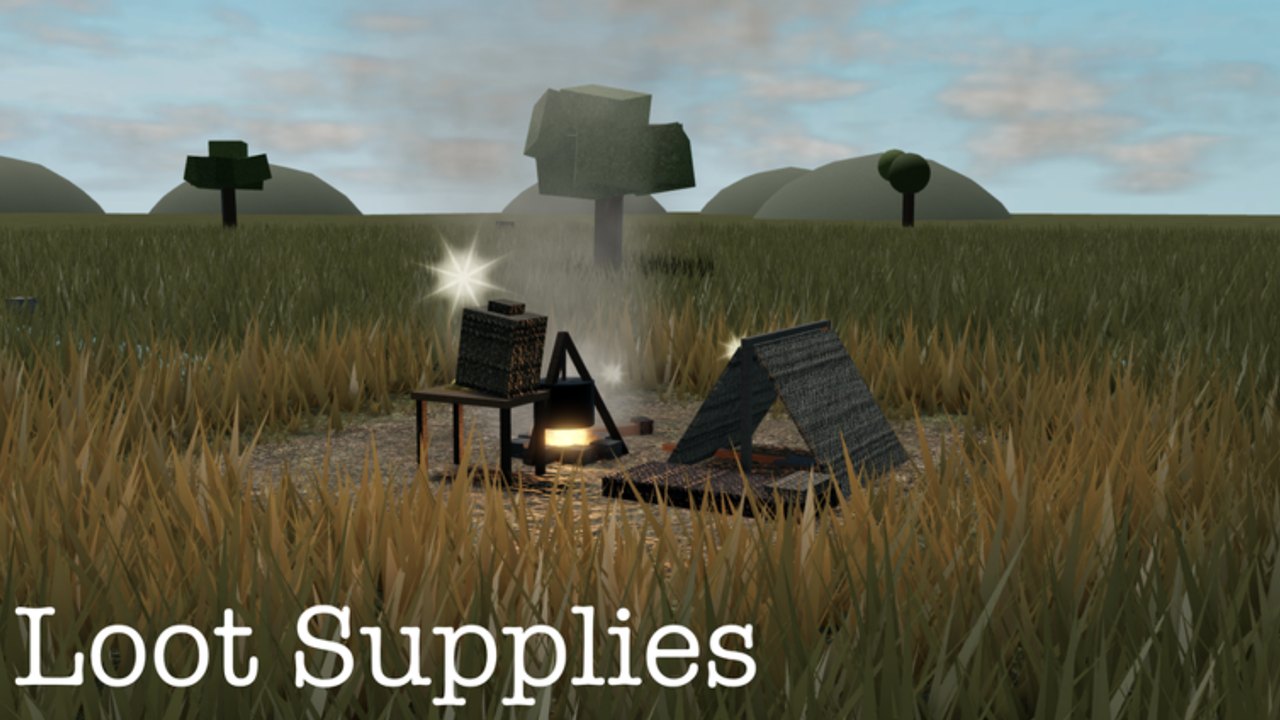
Oregon Trail on Roblox is built as a four-player journey west. Servers can hold more people overall (about 30 max per the live listing), but the meaningful unit of play is your wagon party. This Multiplayer guide covers how to form that party, assign roles, share loot, call threats, and recover downs without turning the trail into four disconnected solo games.
If you are new, read Getting Started first. Survival systems that multiplayer exists to protect are on Survival. Loot splits deepen on Hunting and Loot. Route framing is on the Walkthrough. Boss pulls need the honesty of Bosses.
Why four players changes everything
One player cannot perfectly hunt, cook, guard wheels, open crates, and fight bandits at once. Four players can — if they do not all chase the same deer. Multiplayer success is role coverage, not raw aim. The classic wipe is three hunters celebrating a kill while hyenas finish the wheels behind them.
Official marketing leans on the four-player fantasy: hunt, loot, survive, fight bosses, Oregon or bust. Play into that design. Fill the party when you can. Duos and trios can finish runs, but they must rotate jobs faster and take fewer greedy peels.
Forming a party
Ideal setup:
- Stack with friends on voice if possible.
- Agree “wagon first” as a house rule before spawn.
- Assign roles in chat before the first hunt.
- Share a simple call vocabulary (see below).
- Decide whether you are pushing Oregon, farming a badge boss, or teaching a newcomer — mixed goals cause silent rage.
Random teammates work when someone leads. If nobody leads, be the person who says “I have wheels” and “cook before eat.” Leadership here is logistics, not main-character syndrome.
Core four-player roles
Wagon / wheel guard
Stays near the ox wagon, watches for hyenas and wheel biters, keeps travel moving when the stretch is clear. Highest responsibility role. Rotate it so one person does not burn out.
Hunter
Peels for animals, returns with meat, avoids kiting predators into the wheels. Aborts hunts when the guard calls hyenas.
Fighter / medic
Takes bandits and aggressive wildlife, manages medkit triage, helps carry downs back to the wagon. Does not hoard the last kit without saying so.
Flex looter
Opens supply crates, sweeps ghost-town ground loot (wheels and medicine first), announces finds. Never disappears for minutes without a call.
Cook duty can sit on hunter or flex; what matters is that someone owns the fire. Inventory calling can sit on medic or flex; what matters is that kit and wheel counts stay public.
Voice and chat calls that save runs
Keep calls short:
- “Hyenas on wheels!” — everyone drops greed and clears.
- “Kits: two left.” — spend carefully.
- “Cooking now.” — do not wander off hungry.
- “Crate left / ghost town loot.” — flex goes; guard stays.
- “Down!” — medic and nearest player respond.
- “Ferry cash check.” — confirm before the river.
- “Church attempt.” — party moves for revive chance.
- “Boss pull — roles hold.” — no random crate peels mid-fight.
If you only use text, still make these calls. Silent parties die to problems somebody already saw.
Shared loot etiquette
Treat spare wheels, medkits, and ferry cash as party property. Backpacks and flex gear can be personal after the essentials are covered. Announce big finds. Do not hide the last wheel. Do not spend ferry money on town gambling curiosity.
Ghost towns are where etiquette breaks most often: four people scatter, bandits arrive, and the wagon sits alone. Rule: two loot, one cover, one wagon — or tighter if you are short-handed. Loot fast, then leave. Details on what to grab first are in Hunting and Loot.
Downs, carries, and church revives
Knockdowns are urgent, not always hopeless. Players have gotten back up; teammates can carry fallen members to the wagon. Call downs immediately. Do not finish a deer while a body sits in the open.
If someone fully dies and a town church is reachable, attempt the priest revive chance observed in play. It is not guaranteed, but it is better than instant requeue when the rest of the wagon is healthy. Plan the detour as a team — do not send one hero into town while three others start a boss.
Boss fights as a four-player team
Badge-confirmed bosses include Big Bison, Old Scratch, Reese Gang, Wolf Mother, Mr. Levi, Ghost of Old Scratch, and Ghost of Mr. Levi. Before a pull:
- Stock-check kits, ammo, cooked food, spare wheel.
- Keep a wheel guard even during the fight.
- Agree on a retreat if the wagon is failing.
- Loot after the badge, not during the chaos.
Reese Gang style fights punish clumped standing; wildlife bosses punish tunnel vision. Full honesty on names versus unknown tactics sits on Bosses.
Playing with fewer than four
Trio: combine flex + hunter, keep a dedicated wheel guard. Duo: one guard/driver mindset, one hunt/fight mindset; swap every few minutes. Solo: short peels only; treat every hunt as a risk to an undefended wagon; prioritize crates on the path over deep wildlife chases.
Fewer players means earlier ferries feel scarier and ghost towns feel greedier. Shrink your ambitions to match coverage.
Common multiplayer failures
- Everyone hunts; nobody guards wheels.
- Nobody cooks; four people starve with raw meat.
- Medkits treated as personal loot.
- Ferry cash spent before the river.
- Ghost-town scatter without a wagon watch.
- Boss greed after a badge when wheels are already critical.
- Teaching a friend while also forcing Trailblazer difficulty — pick one stressor at a time.
Session plan for a coordinated group
- Assign roles and win condition (Oregon push vs badge night).
- Early trail: crates + one cooked hunt + wheel discipline.
- Town: reset kits; church if needed; ignore gambling.
- Ferry: pay together after a cash check call.
- Ghost town: timed loot spike, then leave.
- Boss optional only if stocked.
- Late trail: same calls, lower ego.
- Oregon or learn — review which role failed if you wipe.
Using the embedded multiplayer video
The video on this page shows real multiplayer pacing — how parties move, fight, and split attention. Use it to feel the tempo of four-player chaos, then enforce the role rules above in your own sessions.
Cross-links
- Guides Hub — full guide list.
- Getting Started — first session.
- Survival Guide — food, kits, wheels, ferry, church.
- Walkthrough — journey phases.
- Hunting and Loot — supply routes.
- Bosses — badge-confirmed bosses.
- Codes, Tier List, Scripts, Updates, Tools, Players, Wiki.
Four players who share wheels, kits, and calls will outrun four better aimers who loot alone. Stay together. Guard the ox. Push west.
Frequently Asked Questions
Quick answers for Oregon Trail Roblox players.
How many players is Oregon Trail designed for?
The experience is officially described as a four-player journey west. Servers may hold more players overall, but you should build around a wagon party of four when you can.
What roles should a four-player party use?
Keep a wagon/wheel guard, a hunter, a fighter/medic, and a flex looter. Someone must own cooking and kit count calls. Rotate wheel guard so one person does not burn out.
What is the most common multiplayer wipe?
Everyone leaving the wagon to hunt or loot while hyenas or other wildlife destroy the wheels. Call wheel threats first and keep at least one guard on the ox.
Can we revive a dead teammate in multiplayer?
Knockdowns can be recovered and carries help. If someone fully dies near a town, try the church priest revive chance observed in play — it is not guaranteed, but worth the attempt.