Oregon Trail Hunting and Loot
Hunt animals, cook meat, open supply crates, clear ghost-town ground loot, and prioritize the picks that keep the wagon alive.
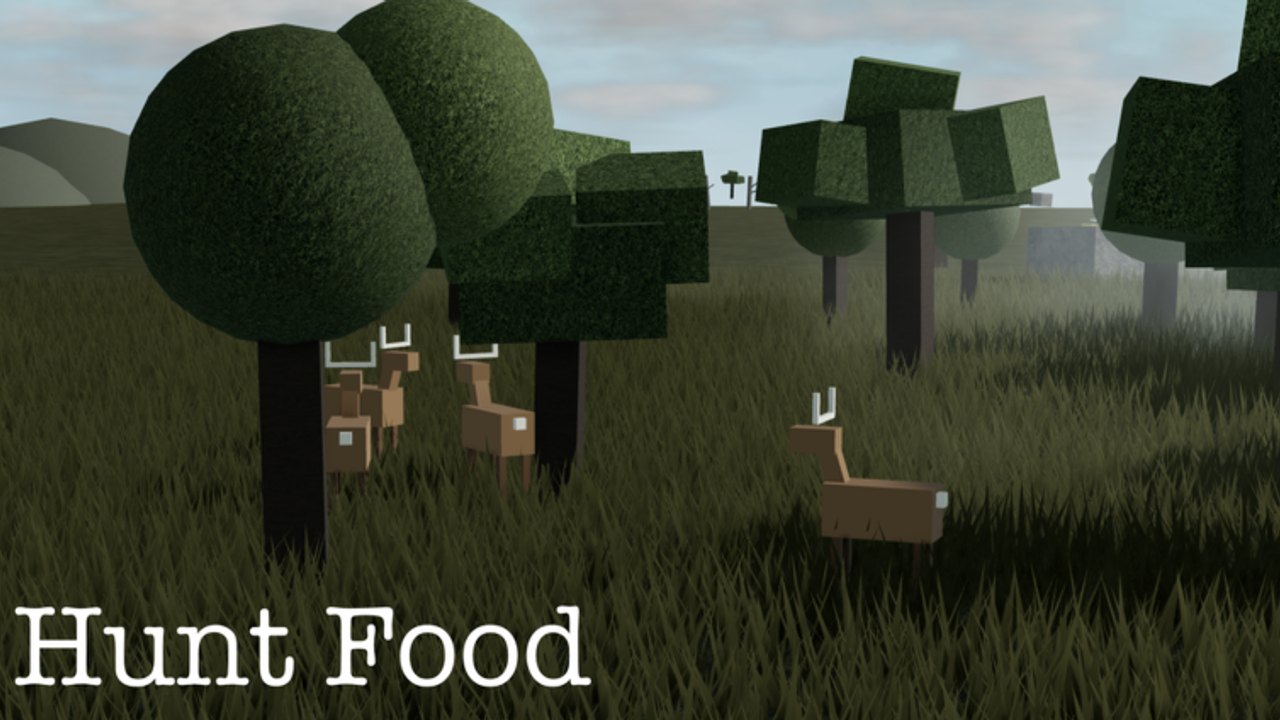
Hunting and loot are the supply spine of Oregon Trail on Roblox. A four-player wagon that cannot refill food, medicine, and spare wheels will not reach Oregon no matter how brave the fights look. This guide covers the three demonstrated loot routes — trail hunting, supply crates, and ghost-town ground finds — plus what to grab first when time and danger collide.
Pair this page with the Survival Guide for cooking, rationing, and threat order. Use Getting Started if you are still learning the first session. The Walkthrough places loot spikes inside the full journey. Multiplayer explains who should hunt while someone else guards wheels. Boss rewards and badge names belong on Bosses.
Why loot priority beats “grab everything”
Not every shiny object is equal when hyenas are chewing the wagon. Priority order for most stretches:
- Spare wheels — the run ends when wheels fail.
- Medkits / medicine — fights burn kits constantly.
- Cookable food sources — hunger is a slow wipe.
- Ammo / hunting tools — keep the food loop alive.
- Backpacks and convenience gear — nice, not critical.
- Curiosity junk — only if the wagon is safe.
If the party is already stable on wheels and kits, you can loosen the order. If the wagon is limping, wheels beat cosmetics every time.
Hunting loop
Hunting refills the meat supply that starter flour cannot carry forever. Typical loop:
- Leave a wheel guard on the wagon.
- Send one or two hunters toward animals.
- Secure the kill without kiting predators into the wheels.
- Return with meat.
- Cook before anyone eats.
- Ration shares across all four players.
- Resume travel.
Skipping the cook step is the classic self-own: parties arrive at a fire with nothing left to cook because they burned the stash or never finished processing kills. Ox and horse meat needs cooking. Treat the campfire as part of the loot pipeline, not optional roleplay.
Animals and combat around hunts
Wildlife is both food and threat. Wolves, bears, and rams should be fought down so they stop chewing people and the wagon. Hyenas are special: they target wheels and can tear them off. If hyenas appear during a hunt, abort the deer chase and clear the wheels first. A perfect stag kill means nothing beside a stranded ox.
Bandits can interrupt loot and hunts. In some observed chases, fleeing worked when a straight fight looked bad. Breaking contact to save kits and wheels is allowed. Machismo is not a food source.
Bear parts have been noted as sellable value in play discussion; still, do not sell so hard that you strand the party without recovery items. Economy exists to support ferry cash and upkeep, not to flex inventory screens.
Supply crates on the trail
Supply crates are the cleanest loot route. Open crates along the trail when you see them. Observed yields include medicine and spare wheels that go straight into party inventory. Crates are why a flex looter role exists: one player can peel to a crate while the wagon keeps a guard.
Rules of thumb:
- Take the crate in front of you; do not assume a richer crate later.
- Call what you got so medkit and wheel counts stay honest.
- Never leave the wagon alone for a long crate detour during a wildlife wave.
Crates are also how broke parties recover after a messy fight — reset kits, then decide whether to push or play defensive.
Ghost-town ground loot
Ghost towns can scatter free ground loot: spare wheels, medicine, backpacks, and more. That spike is real and valuable. It is also dangerous. Bandits have been present in observed ghost towns. Loot fast, assign cover fire, and leave.
Ghost-town checklist:
- Approach with the wagon covered.
- Send looters on wheels/medicine first.
- Grab backpacks and extras second.
- Watch for bandit pressure.
- Extract to the wagon and roll west.
Do not turn a ghost town into a camping simulator. The Walkthrough treats these stops as loot spikes inside a longer Oregon push.
Cooking, rationing, and shared inventory etiquette
Loot only helps if the party agrees it is shared. Call medkit counts. Share cooked portions. Do not pocket the last spare wheel as a personal souvenir while the wagon is screaming. Four-player Oregon Trail punishes silent inventories.
Rationing matters after a big hunt. Feasting because the kill felt big is how you arrive at the next fire empty. Moderate eats, keep a reserve, hunt again when the reserve dips — not when people are already starving in a fight.
What not to waste loot on
- Gambling tables in town — curiosity content; one party found a souls currency they did not have. Never spend ferry cash here.
- Optional sightseeing during a wheel emergency — landmarks can wait.
- Chasing every animal while hyenas hit the wagon — food that costs the wheels is negative food.
- Hoarding kits for a hypothetical boss while two teammates are down now — triage the present wipe risk.
Boss fights still need kits and ammo. Badge targets like Big Bison, Old Scratch, Reese Gang, Wolf Mother, Mr. Levi, and ghost variants are real goals, but they sit behind a working supply line. Read Bosses for names without invented drop tables.
Role split for hunting and loot
A clean four-player split:
- Wheel guard — never fully joins long hunts.
- Hunter — secures meat animals.
- Cook / inventory caller — runs fires and announces kit/wheel counts.
- Flex looter — crates and ghost-town ground finds.
Duo parties should hard-prioritize wheels and cook; accept slower loot. Solo players must treat every hunt as a risk to the undefended wagon — shorter peels, faster returns. More teamwork detail sits in Multiplayer.
Linking loot to ferry and church systems
Loot is not only food. It is how you protect the cash reserve for the ferryman and how you stay alive long enough to attempt a town church revive when someone dies. Swimming the river after you “forgot” ferry money is a loot-planning failure upstream. Empty kits with a corpse on the road is the same story. Hunt and crate with those checkpoints in mind.
Practice plan for one session
- First stretch: open every crate, cook one hunt, call kit counts.
- Mid stretch: clear a ghost town for wheels/medicine only, leave fast.
- Before ferry: confirm cash + spare wheel + at least one kit.
- After ferry: hunt once to restock, then resume west.
- After session: note which loot type saved you — crates, hunts, or ghost town — and bias next run toward that route when you are struggling.
Related wiki links
- Guides Hub — all guides.
- Survival Guide — habits that turn loot into uptime.
- Walkthrough — where loot spikes sit on the journey.
- Getting Started — first-hour framing.
- Bosses — badge-confirmed bosses.
- Multiplayer — who loots while who guards.
- Codes, Tier List, Scripts, Updates, Tools, Players, Wiki.
Hunt with a guard. Cook what you kill. Take wheels and medkits before trophies. That is the entire Oregon Trail loot philosophy in one line — everything else is detail.
Frequently Asked Questions
Quick answers for Oregon Trail Roblox players.
What loot should I pick up first on Oregon Trail?
Spare wheels and medkits first, then cookable food sources and ammo. Backpacks and curiosity items come after the wagon and party are stable.
Do I have to cook hunted meat?
Yes. Cook hunted meat before eating and ration it across the party. Raw processing mistakes are a common way healthy-looking hunts still lead to hunger wipes.
Are ghost towns safe loot spots?
No. They can hold excellent ground loot such as spare wheels and medicine, but bandits have been observed there. Loot fast with cover and leave.
Should hunters leave the wagon alone?
Never for long. Keep a wheel guard on the ox wagon, especially against hyenas. Abort hunts when wheels are under attack.